Debt
Debt Problems
What is debt?
A sum of money you owe to someone else.
The good news.
There are things you can do!
Main ideas
You have rights! Whether you are dealing with a:
- bank or other lender
- energy or telecommunications company
- debt collector
- payday lender
- Buy Now Pay Later company.
Lenders have rules they must follow and you have rights! Find out more here.
Trina's Story
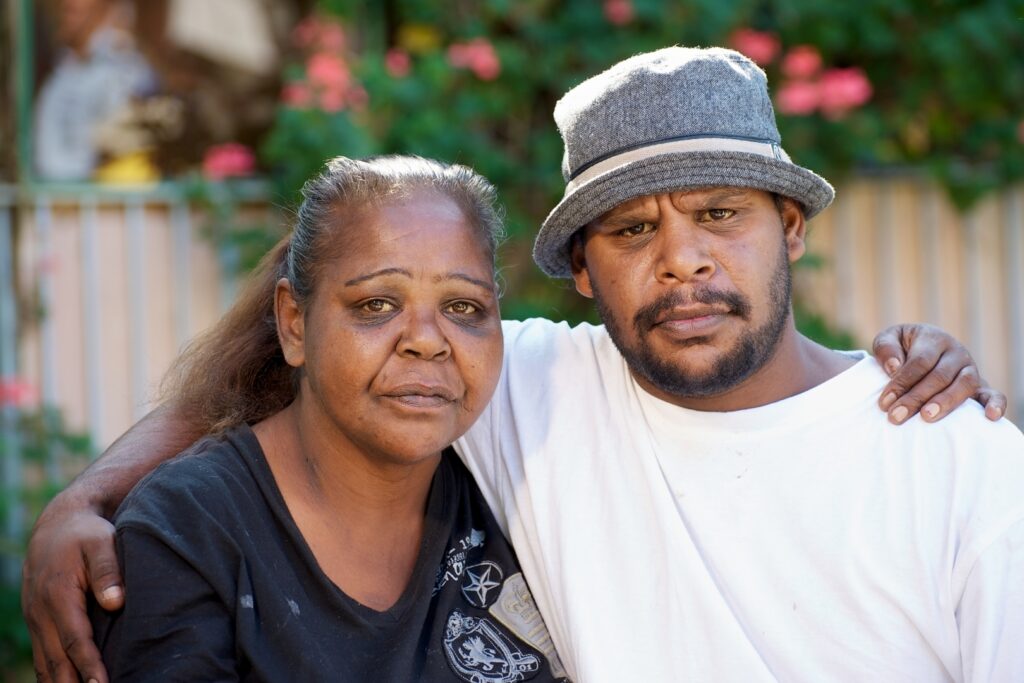
Trina is a mother who now works full-time, and her husband is the caregiver of 5 children. Trina was approved for a car loan despite the fact she was receiving only parenting payments at the time and had many other debts. We raised a dispute with her lender that the loan was never affordable and raised concerns that she was sold a junk add-on product in the form of an extended warranty. The lender offered to waive the outstanding debt of $6,000.

Ask for a hardship arrangement
- If you are having trouble paying back a loan or a debt, you can ask for a ‘hardship variation’.
- You should keep paying whatever you can afford while you are negotiating a hardship variation. Keep paying even if the lender says it is not enough.
- Don’t agree to pay anything you can’t afford.
- If the lender threatens to take you to court, don’t ignore it. Get help immediately.
- Find out about your rights and get a step-by-step guide to getting hardship by using the National Debt Helpline website.
- Free financial counsellors can help if you are in financial hardship and need a hand. Search the National Debt Helpline website to find your closest financial counsellor or call Mob Strong on 1800 808 488.
- MoneySmart’s Budget Planner is a good way to work out what payments you can afford.
What is a financial counsellor?
Financial counsellors are there to help you manage your debts and get your money under control. They can help you by:
- looking at your financial situation: your money and your debts
- putting your most important expenses first, usually food and rent
- developing a realistic money plan with you
- working with you to find the best options to manage your money and pay your debts
- advocating and negotiating on your behalf directly with your lenders
- lodging complaints to the right places if lenders aren’t helping as they should
- making sure you are getting any subsidies you are entitled to
- providing advice about what options, rights and responsibilities you may have
- referring you to other services you may need, such as legal services, health services and crisis food and accommodation services.
How to find a financial counsellor
You can search the National Debt Helpline website to find your closest financial counsellor. They are free, confidential, independent and community based. They are there to help you with your financial difficulty.