Home insurance affordability in Australia is deteriorating rapidly as climate‑related hazards intensify and construction costs rise. Increasing premiums, reduced coverage and insurer withdrawal are already leaving many households underinsured or uninsured, significantly heightening financial vulnerability when disasters occur. Without timely and coordinated intervention, these pressures will escalate, placing growing strain on households, communities and governments. The Housing Resilience Action Plan 2030 (Action Plan) brings together solutions developed by government, insurance, banking, investment, academia and the community sector to address one of the most pressing challenges in Australia’s climate adaptation agenda: What must be done now to support the growing number of legacy homes that cannot access affordable insurance?

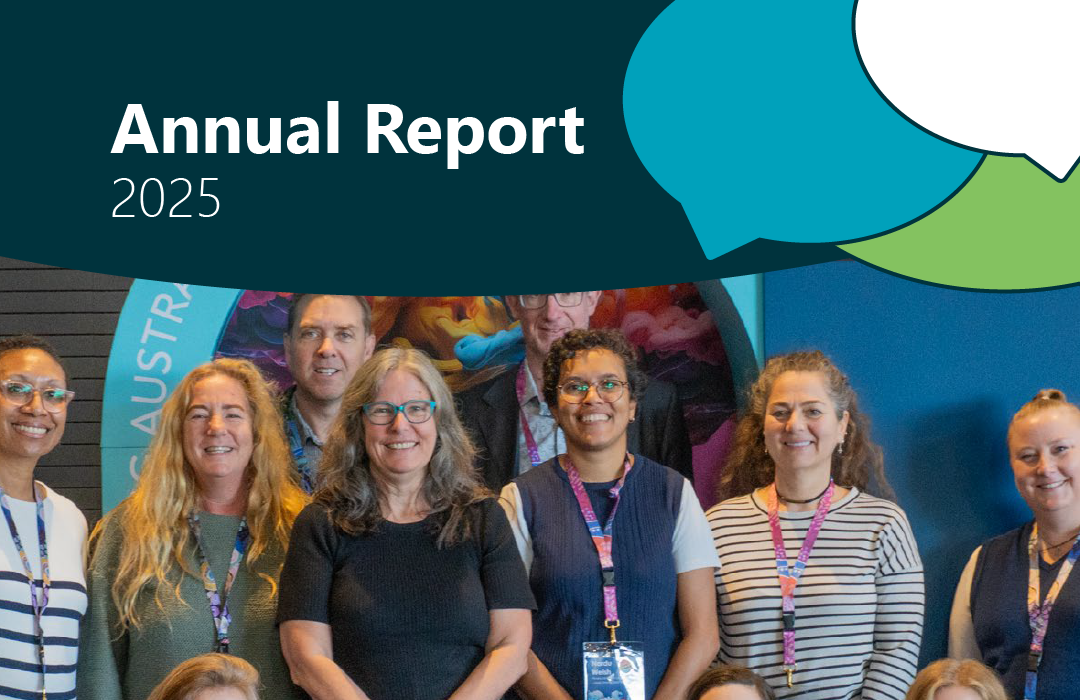
Super Consumers Australia commissioned Impact Economics and Policy to gather case studies and evidence on issues First Nations Australians are facing with superannuation, and to develop practical solutions and recommendations for improvement. This project was also supported by Mob Strong Debt Help, which assisted with the development of this report, collected observations on issues faced by First Nations consumers and organised interviews with financial counsellors and case workers who help First Nations peoples with their superannuation.
A practical guideline for financial counsellors and community workers.
Family violence and financial abuse is an unfortunate reality faced by too many Australians. While attention is usually focussed on the impact of family violence on controlling people’s access to money and incurring debt, it also arises in a general insurance context.